

Next Generation Responsible Dairying Conference 2026
Funded by the Hannah Dairy Research Foundation and supported by the Journal of Dairy Research, Next Generation Dairying Workshops and Conferences stimulate dairy-related research in Scotland and connect researchers and industry globally.
The 8th HDRF Conference will be held on Monday and Tuesday 9th and 10th November 2026 in Edinburgh. The theme for this year’s Conference is Responsible Dairying and the first of our Plenary Speakers are in place. Registration is open.
The Conference is free to attend in person (recommended) or virtually online. In addition to the Scientific Sessions on Monday afternoon and Tuesday morning there is a pre-Conference research session organised by the Journal of Dairy Research and a post-Conference visit to the SRUC Greenshed Project nearby.
The Conference Dinner on the Monday evening features a gourmet four-course meal with wine and an after-dinner “Fireside Chat” with an eminent guest. The price of the dinner is discounted to £25.
LATEST:
Three additional Plenary Speakers confirmed (scroll down to view)
ESR Travel Grant applications are open.
Deadline for Abstract Submission: Monday 18th October.

Registration is open
To register click on the link. Please read the “Overview” notes on the registration page before completing your booking. All events including the Dinner can be booked here.
Abstract Submissions are invited
In addition to Plenary Presentations the Conference Sessions will feature Short Oral and Poster Communications on any topic relevant to dairying. Abstracts accepted for the pre-Conference JDR session will be published open-access as a short Supplement in the Journal of Dairy Research. Please follow the link and read the Submission Instructions carefully. Note that the Submission process is through a partner website. The deadline for submitting Abstracts is Monday 18th October.
ESR Travel Grants are available
If you are an Early Stage Researcher you could be eligible for a Travel Grant of £225 and a free Dinner Ticket (worth £25). To qualify you must be within four years of completing your PhD and living in the UK but outside the Greater Edinburgh area. If you live within the Edinburgh area you could apply for the free Dinner Ticket.
Plenary Speakers
Eminent international speakers will address different aspects of Responsible Dairying. Prof Nicola Randall and Prof David Rose are our Harper Adams duo. Nicola will focus on responsibilities related to regenerative practices but also bringing in climate resilience as well as food waste. David is a social scientist with particular interest in farmer’s responsibilities to their own physical and mental health, and will discuss how new technology adoption is impacting on this. Rachael Madeley-Davies will describe AHDB’s role in helping farmers to take and share responsibilities for climate mitigation strategies, through their Dairy Roadmaps programme. Our other three speakers are Prof Mizeck Chagunda (Roslin Institute), Dr Joe Neary (University of Liverpool) and Dr Orla Shortall (Trinity College Dublin and James Hutton Institute). Mizeck will discuss global responsibility issues, Joe will focus on responsible animal husbandry and Orla will describe her research into the impact that dairying has on diverse communities around the world.
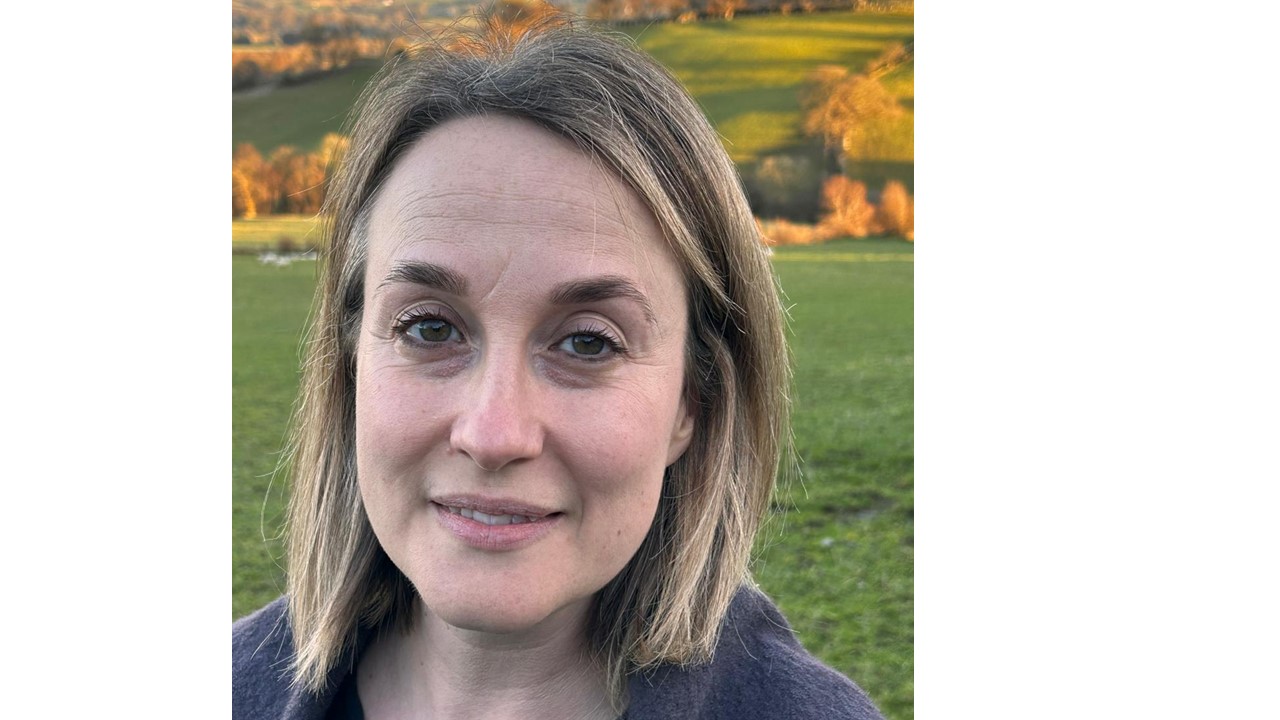
Rachael Madeley-Davies
Rachael is Head of Environment-Technical at AHDB, where she has been since 2024. Her role covers the technical aspects of the Environment Team’s work, including work on climate change mitigation, climate adaptation and the sector environmental roadmaps, alongside environmental policy implications. Prior to joining AHDB Rachael was Head of Sustainability and Policy at Hybu Cig Cymru – Meat Promotion Wales (HCC: the red meat levy body for Wales) and has previously worked as Head of Sustainability for Kite Consulting. Rachael lives on a mixed beef and sheep farm in North Wales with her family.
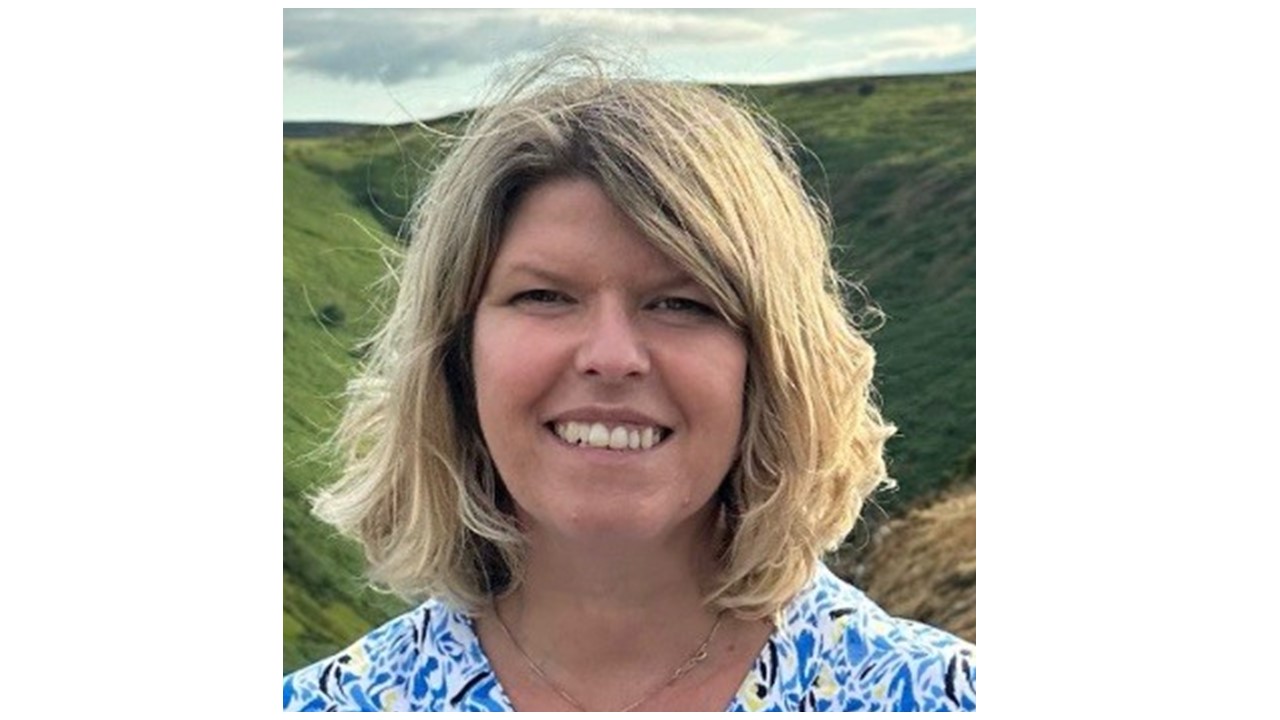
Prof Nicola Randall
Nicola is Professor of Evidence Synthesis and Agroecology and Founding Director of the Centre for Evidence Based Agriculture (CEBA) at Harper Adams University. Her main interests relate to two key areas, namely sustainable food production and the use of scientific evidence to support and underpin policy and management decision making, in which theme she Chairs an EU COST Action. She leads a multi-disciplinary research team addressing such issues as on-farm nature-based solutions to climate resilience, management of food excess supply and food waste minimisation and lifecycle assessments of social, environmental and economic impacts of food production, supply and trade.
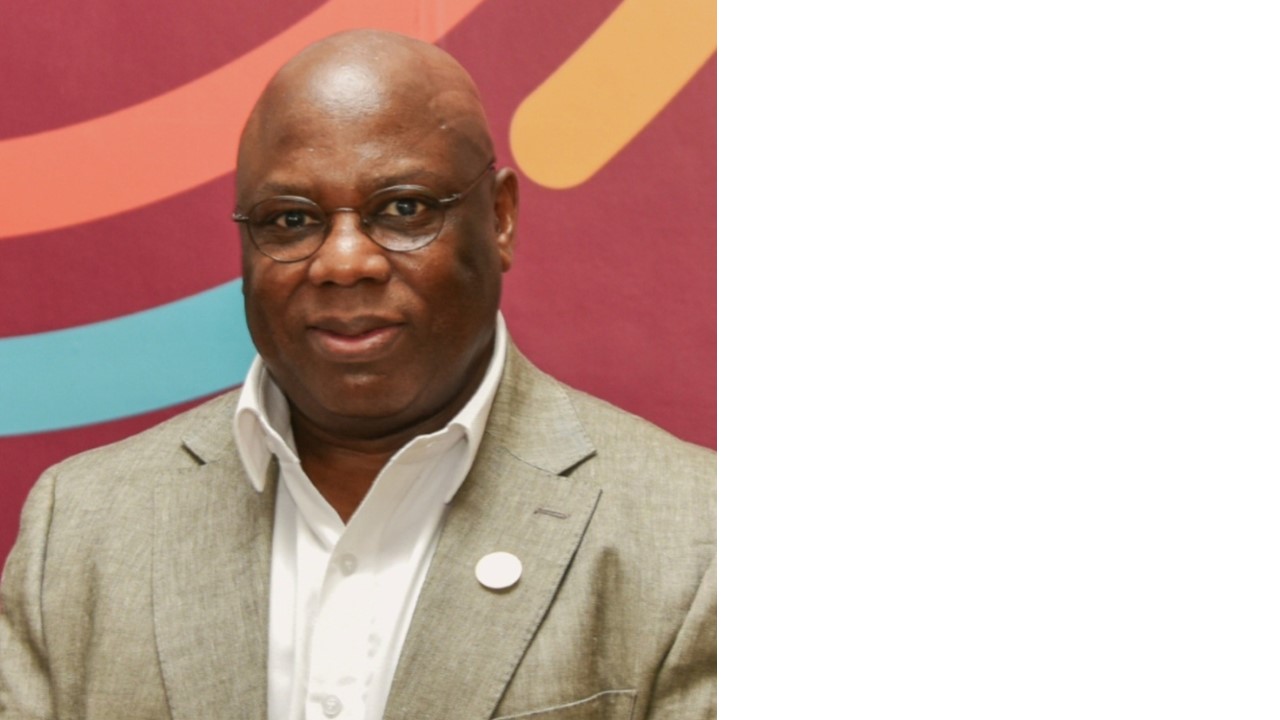
Prof Mizeck Chagunda
Mizeck is Director of the Centre for Tropical Livestock Genetics and Health based at the Roslin Institute, University of Edinburgh, and was previously Chair of Animal Breeding and Husbandry in the Tropics and Subtropics at the University of Hohenheim, Germany. He is an animal breeding and quantitative genetics expert who has pioneered research on innovative techniques for quantifying, measuring and defining phenotypes for difficult-to-measure traits related to disease resistance, adaptation, resilience and enteric methane emissions. His research and academic work has been set in a wide range of production systems and contexts ranging from smallholder through to intensive, and his faculty experience comes from the University of Malawi, University of Goettingen, Aarhus University, SRUC and University of Hohenheim. He is a founding member of the African Animal Breeders Network.
Dr Orla Shortall
Orla Shortall is a social scientist whose research focused on farmer decision making and change within agricultural systems, with a background and emphasis on dairying. She is an associate researcher at the James Hutton Institute in Aberdeen and currently works as a research development officer at Trinity College Dublin. She is also a writer and performer and her non-fiction book about dairy farming M*lk: Exploring the Dairy Dilemma will be published in February 2027 by September Publishing.
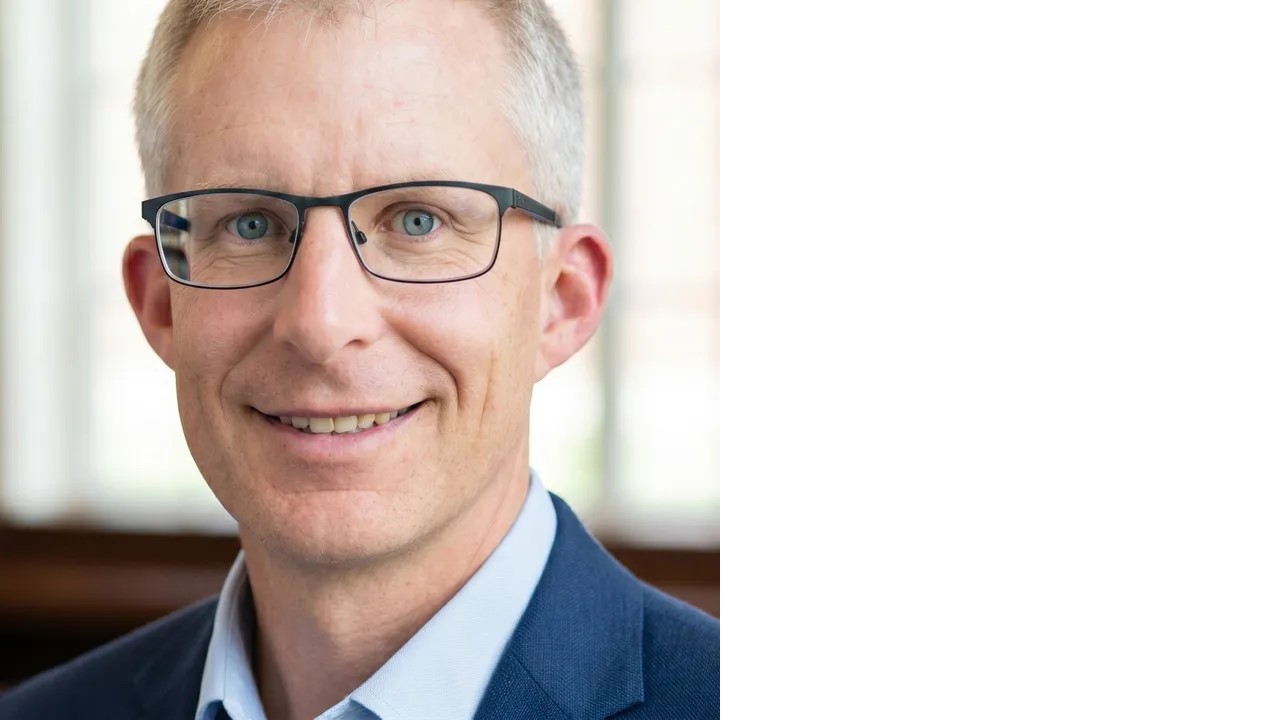
Dr Joe Neary
Joe is a Senior Lecturer in the Department of Livestock and One Health at the University of Liverpool. He qualified in veterinary medicine at the University of Cambridge, where he also gained a First in Zoology, before completing a PhD in bovine pulmonary hypertension at Colorado State University, USA. This involved working with ranchers in the Rocky Mountains and feedlot producers on the Great Plains. He subsequently held a faculty position at Texas Tech University before returning to the UK in 2019. Joe’s starting point in research has consistently been the animal itself: how disease, environment and management shape its health and welfare, and how those in turn shape farm outcomes. He applies this lens to calf health, pathogen transmission, and AI-driven technologies for lameness detection, body condition scoring, and automated dairy housing. Alongside his academic work, he has a suckler beef farm in North Wales, which keeps his research grounded in the practical realities of extensive livestock systems.
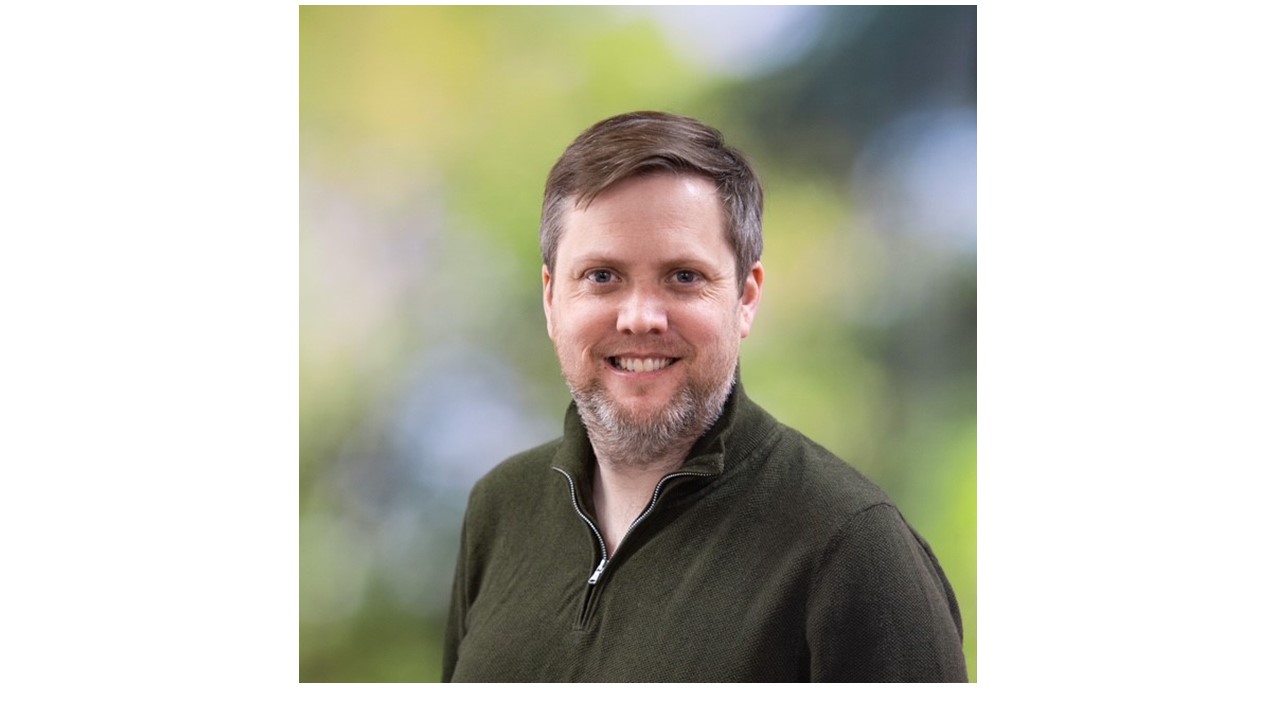
Professor David Rose
David is the Elizabeth Creak Chair in Sustainable Agricultural Change at Harper Adams University in the UK, a specialist land-based institution celebrating its 125th anniversary this year. He has a Bachelors, Masters and PhD (Geography) from the University of Cambridge and is a former Fulbright All-Disciplines Scholar at Cornell University. At Harper Adams, he is Director of the Centre for Social Science and lead of the Engaging for Change research group. His team focuses on helping farmers and allied professionals with the process of change, including how to support them with the stresses of change and ensuring that transitions are fair or just. Much of this work has focused on dairy systems, including research on farmer behaviour change, adoption of digital livestock technology, and responsible innovation